
Rowing Machine vs Treadmill: Which Cardio Workout Is Better for You?
When it comes to cardio workouts, the rowing machine and the treadmill are two of the most popular choices. But which one is better for your fitness goals?
Whether you want to lose weight, build endurance, improve your fitness, protect your joints or find the best cardio machine for home, both options can work well. The right choice depends on your body, your training history and what you will use consistently.
Quick answer: Choose a rowing machine if you want a full-body workout machine that is low impact, space-friendly and great for conditioning. Choose a treadmill if you enjoy walking or running, want a simple cardio option and are looking for fast calorie burn.
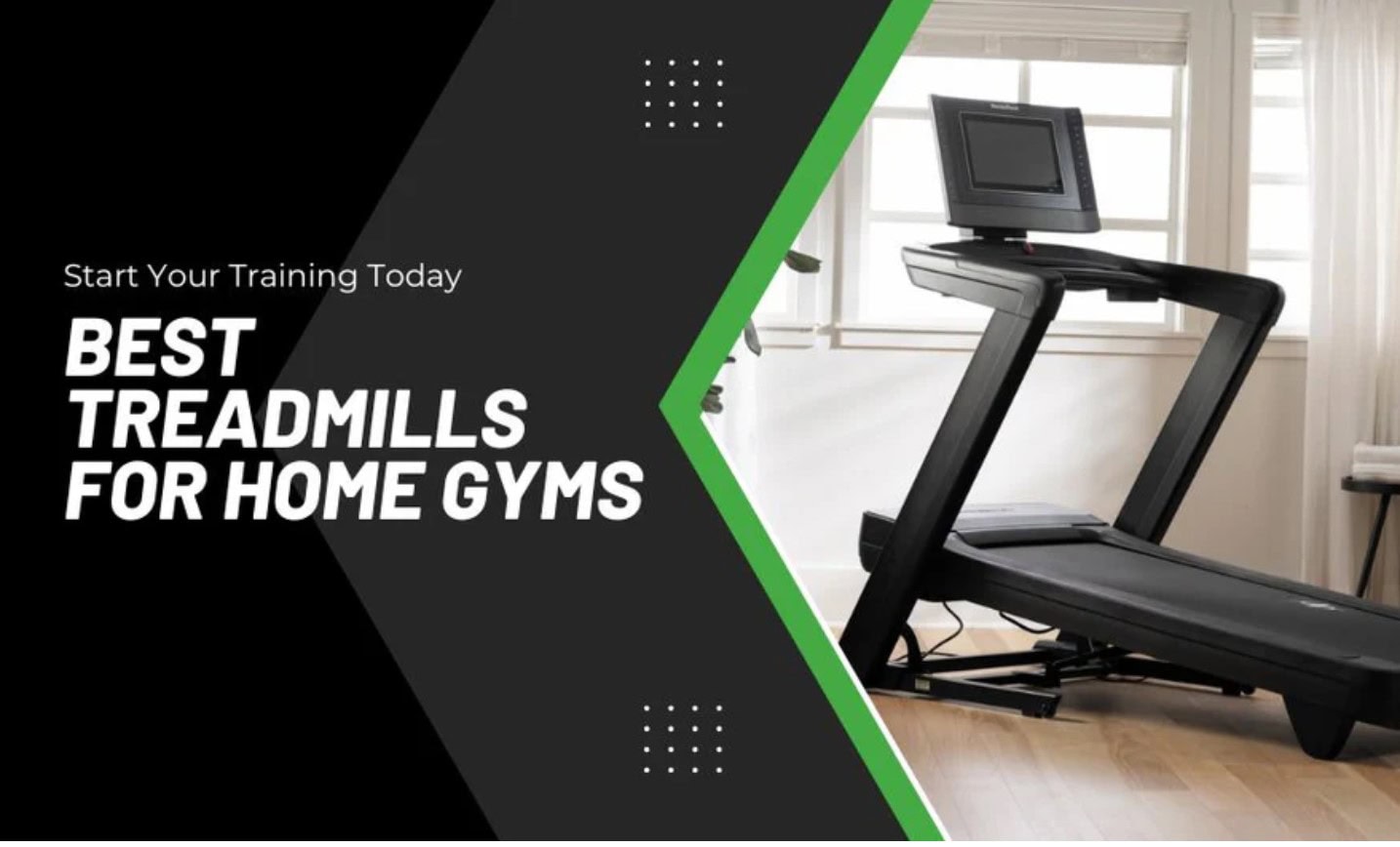
Rowing Machine vs Treadmill: Quick Comparison Table
| Key point | Rowing machine | Treadmill | Best choice |
|---|---|---|---|
| Muscle engagement | Works the legs, core, back and arms. | Mainly works the lower body. | Rowing machine |
| Calorie burn | Strong calorie burn, especially with intervals. | Very high calorie burn when running or using incline. | Treadmill |
| Joint impact | Low impact cardio with less stress on knees and hips. | Running is higher impact, walking is easier on the joints. | Rowing machine |
| Space at home | Often foldable and easier to store. | Usually larger, heavier and needs more floor space. | Rowing machine |
| Ease of use | Needs technique practice to get the most from it. | Very beginner-friendly because walking and running feel natural. | Treadmill |
1. Full-Body Engagement
Rowing Machine
Rowing is a true full-body workout. It can engage 80-85% of your muscles, including your legs, core, back and arms. Each stroke uses a strong leg drive, a braced core and an upper-body pull, making it a great option for total-body conditioning.
Treadmill
Walking or running on a treadmill mainly trains your lower body: glutes, quads, hamstrings and calves. It is excellent for cardiovascular endurance, but upper-body involvement is limited unless you add incline work, weighted carries or specific arm movement drills.
Winner for full-body workout: Rowing machine.
2. Calorie Burn & Weight Loss
Rowing Machine
Rowing can burn roughly 300-500 calories in 30 minutes, depending on your body weight, fitness level and intensity. Because it uses more muscle groups at once, hard rowing intervals can feel very demanding and effective.
Treadmill
Running on a treadmill can burn around 400-600+ calories in 30 minutes, especially when speed or incline increases. If the goal is pure calorie output, the treadmill is one of the most direct cardio tools available.
For sustainable weight loss, the machine matters less than consistency, food habits and a plan you can repeat. If fat loss is your main goal, a structured fat loss training plan can help you combine cardio, resistance training and nutrition more effectively.
Winner for calorie burn: Treadmill, especially for higher-intensity running.
3. Joint Impact
Rowing Machine
Rowing is a low impact cardio option, which can make it useful for people with joint concerns, knee discomfort, arthritis or those returning from injury. The smooth sliding action reduces repeated impact through the knees, hips and ankles.
Treadmill
Running is higher impact and can place more stress on the joints over time. That does not make the treadmill bad. Walking, incline walking or using a cushioned treadmill can still be effective and easier to manage than outdoor running for some people.
If joint health, movement quality or injury prevention is a priority, strength and conditioning coaching can help you build a stronger foundation around your cardio training.
Winner for joint health: Rowing machine.
Need Help Choosing the Right Cardio Machine?
Still not sure which machine suits your goals, joints, fitness level or home setup? Let us figure it out together and build a plan that fits your body.
4. Space & Convenience
Rowing Machine
Most rowers are compact, foldable and easier to store in a home gym, spare room or apartment. They are usually quieter than a treadmill and can suit smaller spaces well.
Treadmill
Treadmills take up more space and are usually heavier. Some models fold, but you still need enough room to walk, jog or run safely.
Winner for home use: Rowing machine, especially if space is limited.
5. Learning Curve
Rowing Machine
Rowing has a steeper learning curve. Good technique matters because poor form can lead to back, shoulder or hip discomfort. Once you understand the sequence of legs, body and arms, the rower becomes a very efficient full-body workout machine.
Treadmill
The treadmill is very beginner-friendly. Walking and running are familiar movements, so most people can start with little instruction.
Winner for ease of use: Treadmill.
Watch: Rowing Technique Example
Because technique is one of the biggest differences between a rowing machine and treadmill, use this video as a quick visual guide before adding rowing intervals into your plan.
Who Should Choose the Treadmill?
Choose the treadmill if you:
- Enjoy walking, jogging or running.
- Are training for a 5k, 10k, half marathon or running event.
- Want a simple cardio option with a low learning curve.
- Want one of the fastest ways to increase calorie burn.
- Prefer incline walking for steady, lower-intensity conditioning.
Who Should Choose the Rowing Machine?
Choose the rowing machine if you:
- Want low impact cardio that is easier on the knees and hips.
- Want to train your legs, core, back and arms in one session.
- Have limited space and need a compact home cardio machine.
- Want to build conditioning without running all the time.
- Are happy to spend time learning proper technique.
15-Minute Beginner Treadmill Workout
| Time | What to do |
|---|---|
| 0-3 minutes | Easy walk to warm up. |
| 3-7 minutes | Brisk walk or light jog. |
| 7-11 minutes | Add incline or increase speed slightly. |
| 11-13 minutes | Return to a steady, manageable pace. |
| 13-15 minutes | Slow walk to cool down. |
15-Minute Beginner Rowing Workout
| Time | What to do |
|---|---|
| 0-3 minutes | Easy rowing, focus on smooth technique. |
| 3-9 minutes | Alternate 30 seconds stronger effort with 30 seconds easy rowing. |
| 9-12 minutes | Steady rowing at a comfortable pace. |
| 12-14 minutes | Three short 20-second pushes with easy rowing between each one. |
| 14-15 minutes | Easy cool down. |
So, Which Machine Is Better for You?
It depends on your goals.
- Choose a rowing machine if you want a full-body, low impact workout that saves space and strengthens multiple muscle groups.
- Choose a treadmill if you love walking or running, want maximum calorie burn and prefer a simple, straightforward cardio option.
Both machines are excellent choices. You do not have to pick just one. Many people get the best results by rotating between the two, using the treadmill for walking or running fitness and the rower for low impact conditioning and full-body work.
Coach's Take
If your joints feel good and you enjoy running, the treadmill can be a brilliant tool. If you want more muscle involvement, less impact and a compact home option, the rowing machine is hard to beat. The best choice is the one you can use consistently with good technique.
Frequently Asked Questions
Is a rowing machine better than a treadmill for weight loss?
Both can help with weight loss. The treadmill may burn more calories during hard running, while the rower uses more muscle groups and can be easier on the joints. Your nutrition, weekly consistency and overall training plan matter most.
Is rowing better for low impact cardio?
Yes. Rowing is usually lower impact than running because there is no repeated landing force through the joints. It can be a strong option for people who want cardio without the same level of knee, hip or ankle stress.
Which is the best cardio machine for home?
For small spaces, the rowing machine often wins because many models fold and store easily. For runners or people who want regular walking workouts, a treadmill may be the better home choice.
Can beginners use a rowing machine?
Yes, but beginners should take time to learn the correct rowing sequence. Start slowly, keep the movement smooth and focus on technique before chasing speed or intensity.